Living longer isn’t just about adding years to your life—it’s about adding life to your years. Holistic longevity encompasses physical vitality, mental clarity, emotional resilience, and purposeful living that sustains you through every decade.

The pursuit of longevity has captivated humanity for centuries, from ancient alchemists seeking elixirs of immortality to modern scientists mapping the human genome. Today, we stand at a unique intersection where traditional wisdom meets cutting-edge research, revealing that true longevity isn’t found in a single pill or practice, but in a comprehensive approach that addresses every dimension of human existence.
What makes this moment particularly exciting is our growing understanding that longevity isn’t predetermined by genetics alone. Research suggests that only about 25% of longevity factors are genetic, while the remaining 75% stem from lifestyle choices, environmental factors, and behavioral patterns we can actively influence. This empowering reality means that regardless of your current age or health status, you hold significant power to shape your healthspan—the number of years you live in good health.
🧬 The Biology of Aging: Understanding What Happens Beneath the Surface
To effectively extend your healthspan, it’s essential to understand the fundamental processes driving aging at the cellular level. Modern longevity science has identified several hallmarks of aging that provide actionable targets for intervention.
Cellular senescence occurs when cells stop dividing but don’t die, accumulating in tissues and secreting inflammatory compounds that accelerate aging. These “zombie cells” contribute to age-related diseases and functional decline. Fortunately, certain lifestyle interventions—including intermittent fasting, specific plant compounds, and regular exercise—may help clear senescent cells naturally.
Telomeres, the protective caps on the ends of our chromosomes, shorten with each cell division, eventually triggering cellular aging. Chronic stress, poor diet, and sedentary behavior accelerate telomere shortening, while meditation, adequate sleep, and regular physical activity appear to preserve telomere length. This biological mechanism beautifully illustrates how daily choices directly influence cellular aging.
Mitochondrial dysfunction represents another critical aging pathway. These cellular powerhouses generate energy but accumulate damage over time, producing more oxidative stress and less ATP. Strategic nutritional approaches, including adequate protein intake, specific micronutrients like CoQ10, and practices like cold exposure may support mitochondrial health and biogenesis.
🍽️ Nutritional Strategies That Support Longevity Across Decades
The relationship between nutrition and longevity extends far beyond calorie counting or following the latest dietary trend. Evidence from Blue Zones—regions where people consistently live past 100—reveals dietary patterns that transcend cultural boundaries while sharing fundamental principles.
Plant-forward eating emerges as a consistent theme across longevity research. This doesn’t necessarily mean strict vegetarianism, but rather a dietary pattern where vegetables, fruits, legumes, whole grains, nuts, and seeds form the foundation, with animal products playing a supporting role. These foods deliver fiber, phytonutrients, antioxidants, and prebiotics that support gut health, reduce inflammation, and provide protective compounds that influence gene expression through epigenetic mechanisms.
Protein adequacy becomes increasingly critical as we age. While excessive protein consumption in early life may accelerate certain aging pathways, insufficient protein in later decades contributes to sarcopenia—age-related muscle loss that predicts mortality and functional decline. The key lies in adjusting protein intake across life stages, with increased needs after age 65 to preserve muscle mass and metabolic health.
Caloric Restriction and Time-Restricted Eating
Caloric restriction without malnutrition remains one of the most consistently replicated longevity interventions in laboratory research. However, sustained caloric restriction proves impractical and potentially harmful for most people. Enter time-restricted eating—consuming all calories within a specific window—which may deliver some benefits of caloric restriction while remaining sustainable.
Research suggests that eating within an 8-12 hour window and allowing a 12-16 hour overnight fast may activate cellular cleanup processes called autophagy, improve insulin sensitivity, and reduce inflammatory markers. The timing of your eating window matters too, with earlier eating patterns (finishing dinner by early evening) appearing particularly beneficial for metabolic health.
💪 Movement as Medicine: Exercise Prescriptions for Longevity
If exercise could be bottled, it would be the most powerful longevity drug ever discovered. Physical activity influences virtually every system in your body, from cardiovascular function to cognitive performance, immune response to metabolic regulation.
The longevity exercise prescription should include four distinct components, each addressing different aspects of healthspan:
- Cardiovascular endurance: Activities that elevate heart rate for sustained periods, supporting heart health, mitochondrial function, and metabolic flexibility. Aim for 150-300 minutes of moderate-intensity or 75-150 minutes of vigorous-intensity aerobic activity weekly.
- Strength training: Resistance exercises that maintain and build muscle mass, bone density, and metabolic rate. Include all major muscle groups at least twice weekly, with progressive overload to continually challenge your system.
- Stability and balance: Often overlooked until fall risk becomes apparent, balance training and core stability work prevent injuries and maintain independence in later decades. Simple practices like standing on one foot, yoga, or tai chi deliver significant benefits.
- Flexibility and mobility: Maintaining range of motion preserves functional capacity and reduces injury risk. Regular stretching, yoga, or mobility work keeps joints healthy and movement patterns efficient.
The critical insight is that you need all four components, not just one or two. A marathon runner with excellent cardiovascular fitness but no strength training remains at risk for sarcopenia and fractures. Conversely, a bodybuilder with impressive muscle mass but no cardiovascular conditioning misses crucial heart health and mitochondrial benefits.
🧠 Cognitive Longevity: Keeping Your Mind Sharp Across the Lifespan
Brain health represents perhaps the most precious aspect of longevity. What good are additional years if cognitive decline robs you of memory, personality, and independence? Fortunately, cognitive reserve—your brain’s resilience against aging and pathology—can be built and maintained through intentional practices.
Continuous learning stimulates neuroplasticity, the brain’s ability to form new neural connections throughout life. Challenge yourself with novel activities that engage multiple cognitive domains: learn a musical instrument, study a new language, master a complex skill like dancing or chess. The key is sustained engagement with activities that push just beyond your current capability, creating the productive struggle that drives neuroplasticity.
Social connection profoundly influences cognitive health. Loneliness and social isolation predict cognitive decline and dementia independent of other risk factors. Meaningful relationships, regular social interaction, and community engagement provide cognitive stimulation, emotional support, and stress buffering that protect brain health. Quality matters more than quantity—a few deep relationships offer more protection than numerous superficial connections.
Sleep: The Foundation of Cognitive Resilience
Sleep deserves special emphasis in any discussion of cognitive longevity. During sleep, your brain clears metabolic waste through the glymphatic system—a garbage disposal system that operates primarily during deep sleep. Insufficient or poor-quality sleep allows toxic proteins like beta-amyloid to accumulate, increasing dementia risk.
Prioritize 7-9 hours of quality sleep nightly by maintaining consistent sleep-wake times, creating a cool, dark sleeping environment, limiting blue light exposure before bed, and managing stress. Sleep isn’t optional rest—it’s when essential brain maintenance occurs.
😌 Stress Management and Emotional Resilience
Chronic stress accelerates virtually every aging process, from telomere shortening to inflammation, immune dysfunction to cognitive decline. Yet stress itself isn’t inherently harmful—it’s the chronic activation of stress response systems without adequate recovery that creates problems.
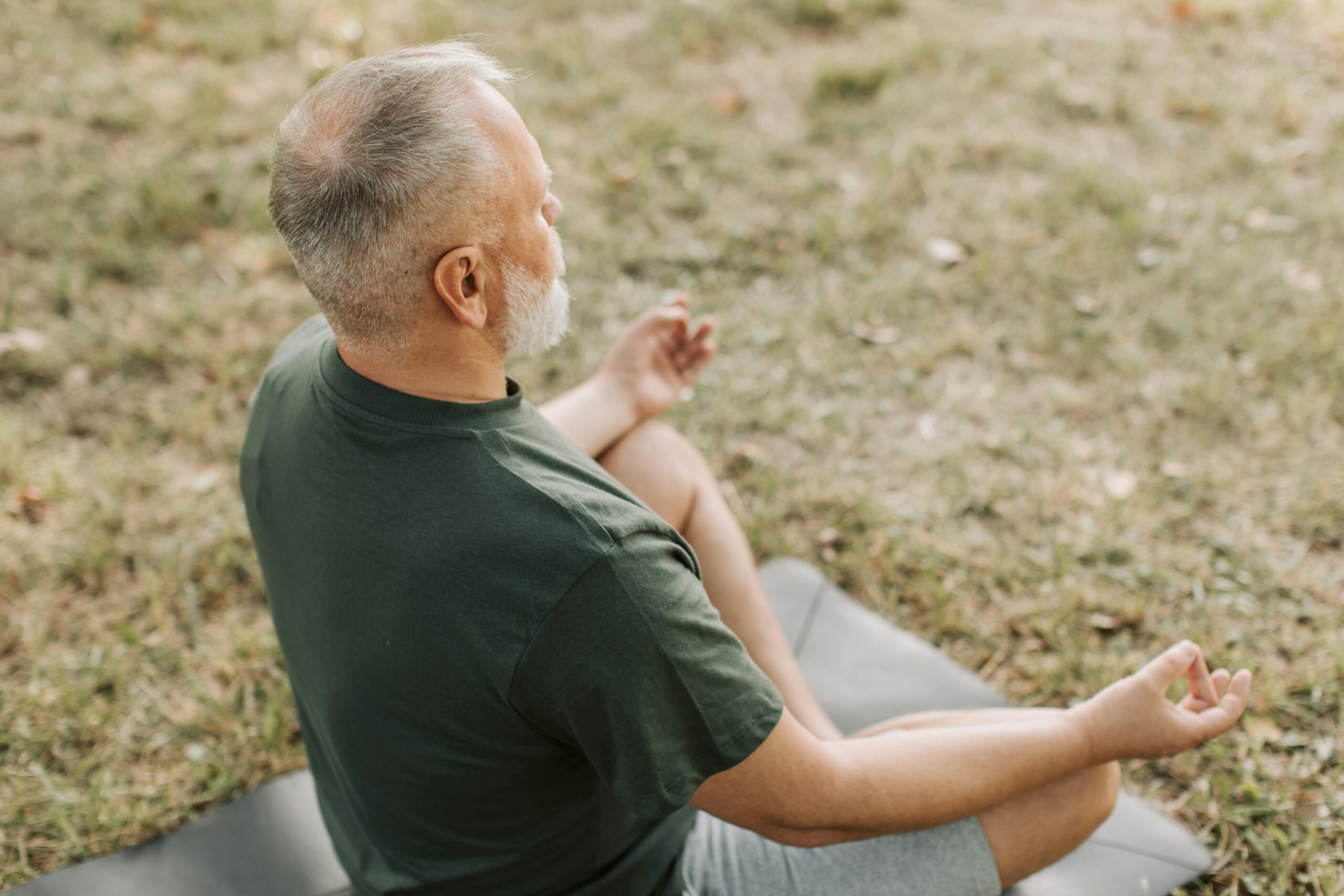
Building stress resilience requires both reducing unnecessary stressors and improving your response to inevitable challenges. Mindfulness meditation has emerged as one of the most researched interventions, with evidence showing benefits for everything from blood pressure to gene expression, anxiety to immune function. Even brief daily practice—as little as 10 minutes—delivers measurable benefits.
Breath work offers another accessible tool for nervous system regulation. Specific breathing patterns can activate parasympathetic (rest-and-digest) or sympathetic (fight-or-flight) responses, giving you real-time control over your physiological state. Simple practices like extending your exhale beyond your inhale naturally calm your nervous system.
Purpose and meaning buffer against stress while providing motivation that sustains healthy behaviors across decades. Research from Blue Zones identifies having a clear sense of purpose—ikigai in Japan, plan de vida in Costa Rica—as a consistent longevity factor. Cultivating purpose doesn’t require grand gestures; it emerges from connecting daily actions to values, contributing to something beyond yourself, and maintaining roles that give life meaning.
🌿 Environmental and Lifestyle Factors That Add Years to Life
Your longevity isn’t determined solely by what you do but also by where and how you live. Environmental exposures, from air quality to chemical pollutants, influence aging processes, while lifestyle factors like community connection and financial security create the foundation for sustaining healthy behaviors.
Air quality impacts longevity more than most people realize. Fine particulate matter (PM2.5) penetrates deep into lungs and bloodstream, driving inflammation and cardiovascular disease. If you live in an area with poor air quality, consider using HEPA air purifiers indoors, checking air quality indexes before outdoor exercise, and supporting policies that reduce pollution.
Toxin exposure from household products, personal care items, and food packaging introduces endocrine disruptors and carcinogens that accumulate over decades. Minimize exposure by choosing natural cleaning products, filtering drinking water, storing food in glass rather than plastic, and selecting personal care products with minimal ingredients.
The Power of Community and Connection
Perhaps no longevity factor proves as powerful yet underappreciated as social connection. The Roseto Effect—named for a Pennsylvania town where residents lived significantly longer than neighboring communities despite similar socioeconomic factors—demonstrated that tight-knit community and multi-generational connection conferred profound health benefits.
Modern life often fragments these natural support systems, requiring intentional effort to build and maintain meaningful relationships. Prioritize regular in-person connection, participate in community activities aligned with your interests and values, and invest time in relationships that provide mutual support and genuine engagement.
🔬 Emerging Technologies and Interventions on the Longevity Horizon
While lifestyle factors remain the foundation of healthy longevity, emerging scientific interventions offer exciting possibilities for extending healthspan. Understanding these developments helps you make informed decisions as new options become available.
Senolytic compounds that selectively clear senescent cells show promise in animal models and early human trials. Several natural compounds, including fisetin (found in strawberries) and quercetin (found in onions and apples), demonstrate senolytic properties, though optimal dosing and timing remain under investigation.
NAD+ precursors like nicotinamide riboside (NR) and nicotinamide mononucleotide (NMN) aim to restore levels of this critical coenzyme that declines with age and supports mitochondrial function, DNA repair, and cellular metabolism. While animal research appears promising, human data remains limited, and experts debate optimal protocols.
Metformin, a diabetes medication, shows potential longevity benefits beyond glucose regulation, including improved mitochondrial function and activation of AMPK—a cellular energy sensor linked to longevity pathways. Large clinical trials are underway to formally test metformin’s effects on aging in non-diabetic populations.
Before pursuing any pharmaceutical intervention, recognize that lifestyle factors deliver proven benefits without potential side effects or costs. Emerging interventions may eventually complement but should never replace the foundational practices of healthy eating, regular movement, quality sleep, stress management, and social connection.
📊 Creating Your Personalized Longevity Framework
Knowledge without implementation changes nothing. Translating longevity science into daily practice requires a personalized framework that fits your life circumstances, preferences, and current health status.
Start by assessing your current state across key longevity domains: nutrition, physical activity, sleep quality, stress levels, cognitive engagement, and social connection. Identify one or two areas where small improvements could deliver significant benefits—these become your initial focus areas.
Apply the principle of marginal gains: consistent small improvements compound over time into remarkable results. Rather than attempting dramatic overnight transformations that rarely stick, implement sustainable changes you can maintain for decades. Add a serving of vegetables to one meal daily. Walk 10 minutes after dinner. Establish a consistent bedtime. These modest changes, sustained over years, profoundly impact healthspan.
Track meaningful metrics that provide feedback on your interventions. This might include objective measures like resting heart rate, strength benchmarks, or sleep duration, alongside subjective assessments of energy levels, mood, and functional capacity. Regular tracking creates accountability while helping you identify what works for your unique biology.
🎯 Adapting Your Approach Across Life Stages
Optimal longevity strategies evolve as you move through different life stages, each presenting unique opportunities and challenges.
In your 20s and 30s, focus on establishing habits and building physiological reserve. This foundation—cardiovascular fitness, muscle mass, metabolic health, stress management skills—provides a buffer against future decline. Investment in these decades pays dividends for life.
Your 40s and 50s represent a critical transition where aging processes accelerate but remain highly modifiable. Prioritize maintaining muscle mass through adequate protein and strength training, managing stress to prevent chronic disease development, and addressing any emerging health issues proactively rather than reactively.
In your 60s and beyond, balance continues building physiological reserve with preventing injury and maintaining independence. Emphasize balance and stability work to prevent falls, ensure adequate protein to combat sarcopenia, and prioritize social connection and cognitive engagement to preserve brain health and quality of life.
🌟 The Integration: Making Longevity a Way of Life
Holistic longevity isn’t achieved through perfect execution of a rigid protocol but through consistent engagement with practices that support thriving across all dimensions of health. The goal isn’t adding years while suffering through joyless restriction—it’s cultivating vitality that makes every year worth living fully.
Your longevity framework should enhance life quality rather than diminish it. If stress about perfect adherence to health protocols creates more harm than the protocols provide benefit, you’ve missed the point. Sustainable practices feel good, align with your values, and integrate naturally into daily life rather than requiring constant willpower.
Remember that setbacks and imperfection are inevitable parts of any long-term journey. A single missed workout, indulgent meal, or stressful week doesn’t erase months of positive habits. What matters is the overall pattern over time, not perfection in each moment. Self-compassion and flexibility actually support longevity by reducing stress and supporting long-term adherence.
The most powerful longevity intervention available costs nothing and requires no prescription: the decision to take ownership of your health and implement evidence-based practices consistently across decades. This decision, renewed daily through small actions aligned with your long-term thriving, unlocks the secrets to holistic longevity—not through a single breakthrough but through the steady accumulation of choices that honor your one precious life. 🌱