Creativity isn’t just for artists and innovators—it’s a powerful tool that can transform your health, extend your lifespan, and dramatically improve how you experience every single day.

🎨 The Hidden Connection Between Creative Thinking and Longevity
When we think about living longer, healthier lives, our minds typically drift toward traditional health advice: eat your vegetables, exercise regularly, get enough sleep. But emerging research reveals a fascinating dimension to longevity that often gets overlooked—the transformative power of creativity and innovative thinking.
Scientists have discovered that engaging in creative activities and thinking outside the box doesn’t just make life more enjoyable; it actually triggers biological processes that can slow aging, reduce stress hormones, and enhance cognitive function well into our golden years. The brain, much like a muscle, grows stronger and more resilient when challenged with novel, creative tasks.
A groundbreaking study published in the Journal of Aging Research found that older adults who regularly engaged in creative activities showed significantly lower rates of cognitive decline compared to their less creative counterparts. The participants who painted, wrote, solved puzzles in unconventional ways, or learned new creative skills maintained sharper memories and faster processing speeds.
Why Your Brain Craves Novelty and Innovation
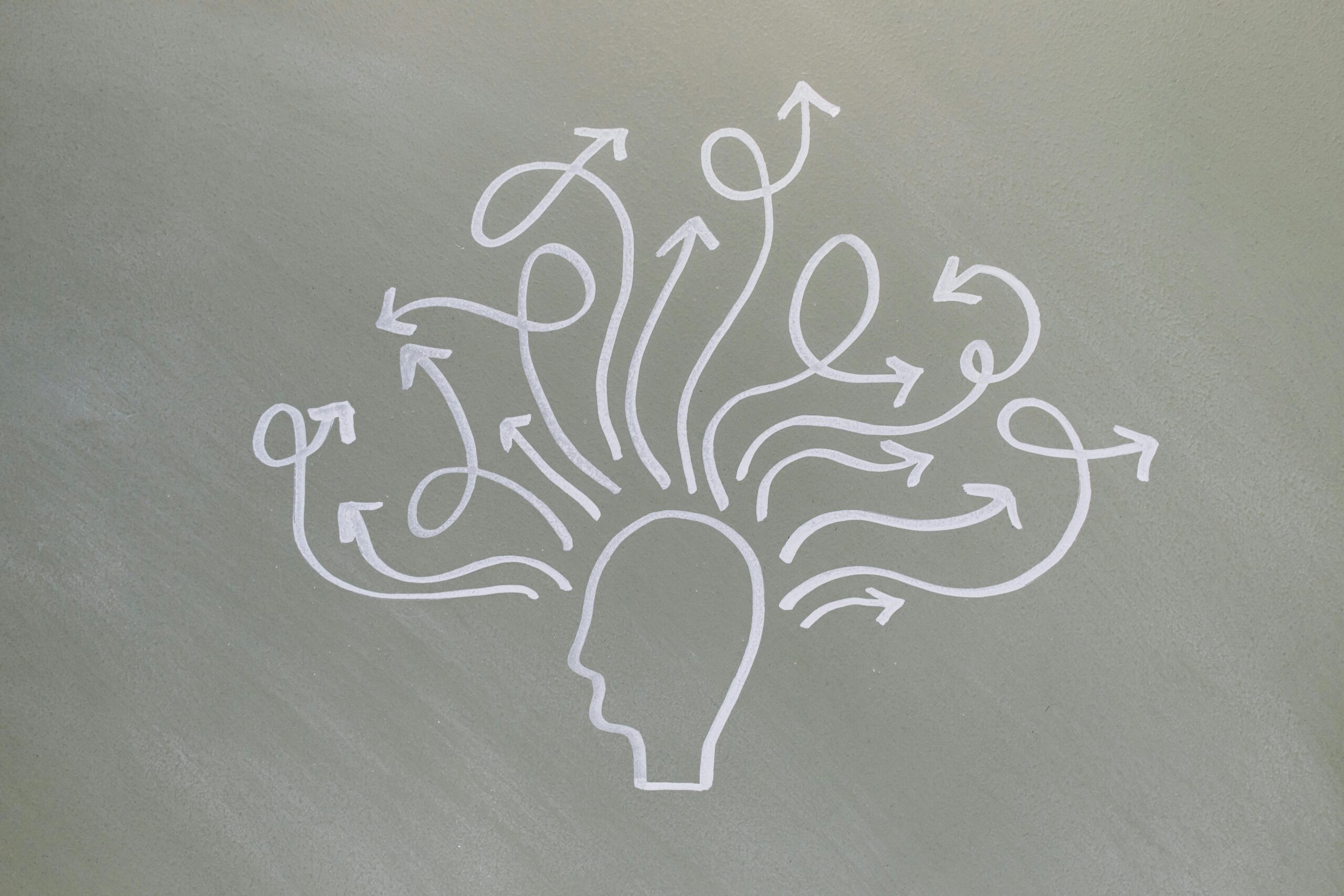
Our brains are fundamentally wired for creativity and problem-solving. When we engage in creative thinking, we activate multiple brain regions simultaneously, creating new neural pathways and strengthening existing connections. This process, known as neuroplasticity, is essential for maintaining cognitive vitality throughout our lives.
Think of your brain as a city with roads connecting different neighborhoods. Traditional, routine thinking uses the same well-worn highways repeatedly. Creative thinking, however, builds new roads, bridges, and shortcuts—expanding your mental infrastructure and making your entire system more efficient and adaptable.
When you think outside the box, your brain releases dopamine, the feel-good neurotransmitter associated with motivation and pleasure. This chemical reward system encourages continued creative exploration, creating a positive feedback loop that benefits both mental and physical health.
🧠 The Science Behind Creative Thinking and Cellular Health
The benefits of creativity extend far beyond mental stimulation. Research shows that engaging in creative activities can actually influence our biology at the cellular level, affecting everything from inflammation markers to telomere length—the protective caps on our chromosomes that serve as biomarkers for aging.
A fascinating study from the University of California, San Francisco found that individuals who regularly engaged in creative problem-solving activities had longer telomeres than those who stuck to routine thinking patterns. Longer telomeres are associated with slower biological aging and reduced risk of age-related diseases.
Creative engagement also reduces cortisol levels, the stress hormone that, when chronically elevated, contributes to inflammation, weakened immunity, cardiovascular disease, and accelerated aging. By providing an outlet for expression and novel problem-solving, creative activities serve as powerful stress-management tools.
Practical Ways to Inject Creativity Into Your Daily Routine
You don’t need to be Picasso or Einstein to harness the longevity-boosting benefits of creative thinking. Small, consistent changes in how you approach everyday situations can make a significant difference in your health outcomes and quality of life.
Transform Mundane Tasks Into Creative Challenges
Consider your daily commute, meal preparation, or household organization as opportunities for creative problem-solving. Can you find a new route to work that’s more scenic? Can you create a fusion dish combining ingredients you’ve never paired before? Can you reorganize a closet using an unconventional system that’s more efficient?
These small acts of creative thinking keep your brain flexible and engaged, preventing the cognitive stagnation that comes from excessive routine.
Embrace the Beginner’s Mind 🌱
One of the most powerful creativity boosters is approaching familiar situations with fresh eyes—what Zen Buddhists call “beginner’s mind.” This means temporarily setting aside your expertise and assumptions to see possibilities you might otherwise miss.
Try explaining something you know well to someone completely unfamiliar with the topic. The questions they ask and the connections they make can reveal innovative perspectives you’ve become blind to through familiarity.
Creative Expression as Emotional Medicine
Beyond cognitive benefits, creative activities provide profound emotional and psychological advantages that directly impact longevity. Expressive writing, art therapy, music, and dance have all been shown to reduce symptoms of depression and anxiety—conditions that significantly impact lifespan when left unaddressed.
A comprehensive meta-analysis examining over 100 studies found that engagement in creative arts was associated with reduced depression, increased positive emotions, and improved psychological resilience. These mental health benefits translate directly into physical health outcomes, as depression and chronic stress are major risk factors for heart disease, diabetes, and other life-shortening conditions.
Creative expression offers a safe outlet for processing difficult emotions, traumatic experiences, and life transitions. When we transform our inner experiences into external creations—whether through painting, writing, music, or movement—we gain distance and perspective that facilitates healing.
🎭 The Social Dimension of Creative Thinking
Creativity becomes even more powerful when shared with others. Group creative activities foster social connections, which research consistently identifies as one of the most significant factors in longevity and life satisfaction.
The famous Harvard Study of Adult Development, which followed participants for over 80 years, found that quality relationships were the strongest predictor of happiness and longevity—more important than wealth, fame, or even cholesterol levels. Creative collaborative activities provide natural opportunities for building these meaningful connections.
Whether joining a community theater group, participating in a writers’ workshop, attending a painting class, or simply brainstorming creative solutions to neighborhood problems, these shared creative experiences build social bonds while exercising your innovative thinking muscles.
Breaking Free From Mental Ruts and Rigid Thinking
As we age, we naturally develop thinking patterns and habits that served us well in the past. However, these patterns can become rigid, limiting our ability to adapt to new circumstances and reducing the cognitive flexibility that keeps our brains young.
Cognitive rigidity—the inability to adapt thinking strategies to changing circumstances—is associated with accelerated cognitive decline and reduced quality of life in older adults. Creative thinking serves as the antidote to this rigidity, keeping our minds flexible and adaptable.
Techniques for Cultivating Flexible Thinking
One powerful technique for breaking mental patterns is deliberately generating multiple solutions to every problem, even after you’ve found one that works. This practice, used by innovative companies like Google and IDEO, trains your brain to see beyond the obvious answer.
Another effective approach is the “What if?” game. Regularly ask yourself hypothetical questions that challenge assumptions: What if we did this backward? What if the constraint became the solution? What if we combined two completely unrelated ideas?
Cross-training your brain by learning skills outside your expertise also builds cognitive flexibility. If you’re analytical by nature, try improvisational dance. If you’re artistic, explore coding or mathematics. These unexpected combinations create new neural pathways and enhance overall brain health.
⏰ Time Perspective and Creative Living
Creative thinking fundamentally changes how we experience time—a crucial factor in quality of life. When engaged in creative activities, people often experience “flow states,” those moments when we’re so absorbed in what we’re doing that time seems to disappear.
Research by psychologist Mihaly Csikszentmihalyi shows that people who regularly experience flow report greater life satisfaction, happiness, and sense of meaning. These flow states are most accessible during creative activities that balance challenge with skill level, keeping us engaged without overwhelming us.
Moreover, creative thinking helps us reimagine our relationship with time itself. Rather than viewing aging as a countdown to decline, creative individuals often see each life stage as offering new possibilities for expression and exploration. This positive time perspective is associated with better health outcomes and greater longevity.
The Creative Approach to Problem-Solving in Health Management
One of the most practical applications of creative thinking for longevity involves how we approach our own health management. Traditional health advice often feels restrictive and rigid, leading to poor adherence and eventual abandonment of healthy habits.
Creative thinking allows us to customize health recommendations to fit our unique circumstances, preferences, and lifestyles. Don’t like traditional exercise? Design movement practices that feel like play. Struggle with healthy eating? Approach it as a culinary adventure rather than a diet.
Personalized Health Innovation 💡
The most successful long-term health strategies are those we invent or significantly adapt ourselves. When you creatively problem-solve your health challenges rather than simply following generic advice, you increase both effectiveness and sustainability.
For example, if you know you’ll never maintain a consistent gym routine, what creative alternatives might work? Perhaps walking meetings with colleagues, dance parties with your children, or gardening that provides both exercise and fresh produce.
This personalized, creative approach to health extends to stress management, social connection, sleep optimization, and every other dimension of wellness. The key is viewing yourself as the creative director of your health journey rather than a passive recipient of one-size-fits-all recommendations.
Creative Environments and Longevity Zones
Researchers studying “Blue Zones”—regions where people live significantly longer than average—have identified several common factors. While diet and physical activity are important, these communities also share characteristics that foster creativity and mental engagement.
Blue Zone residents typically remain socially engaged, learn new skills throughout life, maintain strong sense of purpose, and adapt creatively to changing circumstances. They garden, craft, cook creatively, solve community problems collaboratively, and engage in artistic or musical traditions.
You don’t need to move to Okinawa or Sardinia to create your own longevity-promoting environment. By intentionally designing spaces and routines that encourage creative thinking and expression, you can cultivate similar benefits wherever you live.
🌈 Overcoming Creative Blocks and Fear of Judgment
Many people resist engaging their creativity because of internalized messages about not being “creative enough” or fear of judgment. These blocks prevent us from accessing the health and longevity benefits that creative thinking provides.
The truth is that creativity isn’t a fixed trait that some people have and others lack. It’s a skill that can be developed with practice, and more importantly, it’s a way of approaching life that anyone can cultivate regardless of artistic ability.
Start by redefining creativity more broadly. It’s not just about making art—it’s about approaching situations with curiosity, generating novel solutions, making unexpected connections, and expressing yourself authentically. Viewed this way, everyone has creative capacity.
Permission to Be Imperfect
The creative process is inherently messy and imperfect. In fact, research shows that people who tolerate ambiguity and embrace mistakes as learning opportunities show greater creative output and innovation. Perfectionism, conversely, stifles creativity and the health benefits it provides.
Give yourself permission to create badly, to experiment without knowing the outcome, and to explore ideas that might not work. This psychological safety is essential for accessing the stress-reducing, joy-producing benefits of creative engagement.
Lifelong Learning and Cognitive Reserve
One of the most powerful applications of creative thinking for longevity is the pursuit of lifelong learning. Each time you master a new skill, learn a language, or understand a complex concept, you build what neuroscientists call “cognitive reserve”—the brain’s resilience against age-related decline.
People with greater cognitive reserve can tolerate more brain changes associated with aging before showing symptoms of cognitive impairment. Creative learning—approaching new subjects with curiosity and willingness to make novel connections—builds this reserve more effectively than rote memorization.
The most beneficial learning experiences combine novelty, challenge, social interaction, and personal meaning. Learning to play a musical instrument, mastering a new language, or developing expertise in an unfamiliar field all provide these elements while exercising creative thinking skills.
🎯 Integrating Creative Thinking Into Your Longevity Strategy
Understanding the benefits of creativity is one thing; actually incorporating creative thinking into your daily life requires intentional practice. The good news is that small, consistent efforts compound over time, creating significant impacts on both lifespan and quality of life.
Start by identifying one area of your life where routine has become excessive. Perhaps your morning ritual is identical every day, or you always approach work problems the same way. Choose one element to reimagine creatively each week.
Schedule dedicated time for creative activities, treating them with the same importance as exercise or medical appointments. Even 15-20 minutes daily of creative engagement—writing, drawing, problem-solving, brainstorming, or exploring new ideas—can provide measurable health benefits.
Surround yourself with diverse perspectives and experiences that challenge your thinking. Read books outside your usual genres, have conversations with people from different backgrounds, travel to unfamiliar places, or explore subjects you know nothing about. This diversity of experience fuels creative thinking.
The Compound Effect of Creative Living
The relationship between creativity and longevity isn’t about a single breakthrough or dramatic change. Rather, it’s about the cumulative effect of consistently approaching life with curiosity, flexibility, and willingness to think beyond conventional boundaries.
Each time you solve a problem creatively, express yourself authentically, learn something new, or see a familiar situation from a fresh perspective, you’re investing in your cognitive health, emotional resilience, and physical longevity. These investments compound over time, creating exponential returns in your health span and quality of life.
The most encouraging aspect of this connection is that it’s never too late to start. Research shows that even individuals who begin engaging in creative activities later in life experience significant cognitive and health benefits. Your brain retains remarkable plasticity throughout your lifespan, ready to respond to creative challenges at any age.
🌟 Your Creative Longevity Blueprint
As you move forward, consider creativity not as an optional hobby but as a fundamental component of healthy aging. The evidence is clear: thinking outside the box isn’t just about innovation or artistic expression—it’s about building a brain and body that remain resilient, adaptable, and vibrant throughout all stages of life.
Start small, experiment freely, embrace imperfection, and trust that each creative effort contributes to your long-term health and happiness. The most creative thing you can do is design a life that honors your unique interests, challenges your thinking, and keeps you engaged with the endless possibilities that each day offers.
Your longevity journey doesn’t have to follow a conventional path. In fact, the most successful approaches are those you create yourself, adapting evidence-based principles to fit your circumstances, preferences, and vision for the future. That itself is the ultimate act of creative thinking—designing a life that’s not only longer but richer, more meaningful, and more joyfully alive.