
Our emotions shape every moment of our lives, yet the intricate neural mechanisms that process these feelings remain one of neuroscience’s most captivating frontiers.

Every day, our brains process countless emotional experiences—from the joy of reuniting with a loved one to the frustration of missing a train. These seemingly simple feelings involve complex networks of neurons, neurotransmitters, and brain regions working in perfect harmony. Understanding how our brains decode, process, and respond to emotions not only satisfies our curiosity about human nature but also opens doors to treating mental health conditions and enhancing our emotional well-being.
The neuroscience of emotional processing reveals a sophisticated biological system that has evolved over millions of years. This intricate machinery allows us to survive, connect with others, and navigate the complexities of modern life. Let’s embark on a journey through the fascinating landscape of emotional neuroscience, exploring how our brains transform chemical signals into the rich tapestry of feelings that define our human experience.
🧠 The Emotional Brain: Architecture of Feeling
The brain doesn’t have a single “emotion center”—instead, emotional processing involves multiple interconnected regions working as an integrated system. This distributed network allows for the nuanced and complex emotional experiences that characterize human consciousness.
The limbic system, often called the emotional brain, serves as the primary hub for processing feelings. This ancient set of structures, which humans share with other mammals, includes several key players that each contribute uniquely to our emotional landscape.
The amygdala stands as perhaps the most famous emotional processor, particularly for fear and threat detection. These almond-shaped structures, one on each side of the brain, act as rapid-response units, constantly scanning our environment for potential dangers. When the amygdala detects a threat, it triggers immediate physiological responses—increased heart rate, heightened alertness, and the release of stress hormones—all before our conscious mind fully registers what’s happening.
The hippocampus, positioned adjacent to the amygdala, plays a crucial role in contextualizing emotions within memory. This structure helps us remember not just what happened, but how we felt when it happened. This emotional tagging of memories explains why certain songs transport us back to specific moments or why particular scents can evoke powerful nostalgic feelings.
The Prefrontal Cortex: The Emotional Executive
While the limbic system generates raw emotional responses, the prefrontal cortex—the brain’s most evolved region—serves as the executive director of emotional processing. This area, located behind our foreheads, allows us to regulate, interpret, and make sense of our feelings.
The prefrontal cortex enables emotional regulation, letting us suppress inappropriate emotional responses, reinterpret situations, and make rational decisions despite strong feelings. This region’s development continues into our mid-twenties, which partly explains why teenagers often struggle with emotional control compared to adults.
When the prefrontal cortex communicates effectively with the limbic system, we experience emotional balance. However, when this communication breaks down—due to stress, trauma, or mental health conditions—emotional dysregulation can occur, leading to conditions like anxiety disorders or depression.
⚡ Neurotransmitters: The Chemical Language of Emotion
Emotions aren’t just about brain structures—they’re fundamentally chemical experiences. Neurotransmitters serve as the brain’s emotional vocabulary, with different molecules creating distinct feeling states.
Serotonin, often dubbed the “happiness molecule,” regulates mood, sleep, and appetite. Low serotonin levels are associated with depression, which is why many antidepressants work by increasing serotonin availability in the brain. This neurotransmitter helps create feelings of contentment, calm, and well-being.
Dopamine drives motivation, reward, and pleasure. When we accomplish a goal, eat delicious food, or receive positive feedback, dopamine floods our neural circuits, creating feelings of satisfaction and encouraging us to repeat rewarding behaviors. However, this system can also contribute to addiction when hijacked by drugs or certain behaviors.
Norepinephrine acts as the brain’s alarm system, increasing arousal and alertness during emotional situations. This neurotransmitter spikes during stress or excitement, preparing our bodies for action and sharpening our focus on emotionally relevant information.
The Stress Response: Cortisol and Beyond
When we encounter stressful situations, the brain initiates a cascade of hormonal changes involving cortisol, the primary stress hormone. The hypothalamus signals the pituitary gland, which then prompts the adrenal glands to release cortisol into the bloodstream.
In acute situations, this stress response proves incredibly adaptive, mobilizing energy resources and enhancing memory formation for survival-critical information. However, chronic elevation of cortisol—from ongoing stress—can damage brain structures, particularly the hippocampus, and contribute to anxiety and depression.
Oxytocin, known as the “bonding hormone,” facilitates social connection and trust. Released during physical touch, childbirth, and positive social interactions, oxytocin reduces fear responses in the amygdala and strengthens feelings of attachment and empathy. This neurochemical underpins our capacity for love, friendship, and social cohesion.
🔄 The Two-Way Street: Body and Brain Communication
Modern neuroscience has revealed that emotional processing isn’t a one-way street from brain to body. Instead, there’s constant bidirectional communication between our bodily states and our emotional experiences—a concept known as embodied emotion.
The vagus nerve serves as a major information highway, carrying signals from our internal organs to the brain. This nerve communicates the state of our heart, lungs, and digestive system, profoundly influencing our emotional states. When our heart rate is elevated, for instance, the brain may interpret this bodily signal as anxiety or excitement, depending on context.
This body-brain connection explains why physical interventions can powerfully affect emotions. Deep breathing activates the parasympathetic nervous system through vagal stimulation, promoting calm. Exercise releases endorphins and regulates neurotransmitter systems, improving mood. Even adopting certain facial expressions can influence how we feel—a phenomenon called facial feedback hypothesis.
The Gut-Brain Axis: Emotions from Below
Emerging research highlights the gut microbiome’s surprising influence on emotional processing. The enteric nervous system, sometimes called the “second brain,” contains approximately 500 million neurons and produces about 90% of the body’s serotonin.
The gut microbiome communicates with the brain through multiple pathways, including the vagus nerve, immune system molecules, and metabolites produced by gut bacteria. Studies have found correlations between gut microbiome composition and conditions like depression and anxiety, suggesting that what we eat may influence how we feel through complex neurobiological mechanisms.
🎭 Emotional Recognition: Reading the World Around Us
Our brains possess sophisticated systems for recognizing emotions in others—a capacity essential for social functioning. This emotional intelligence begins with perceiving emotional cues in facial expressions, voice tone, body language, and social context.
The fusiform face area, a specialized brain region, rapidly processes facial features, while the superior temporal sulcus analyzes facial movements and expressions. These regions work with the amygdala to identify emotional content in faces, enabling split-second assessments of others’ emotional states.
Mirror neurons, discovered in the 1990s, may underpin our capacity for empathy. These neurons fire both when we perform an action and when we observe someone else performing the same action, potentially allowing us to “feel” what others are experiencing. While the precise role of mirror neurons in human emotion remains debated, they likely contribute to our intuitive understanding of others’ feelings.
Cultural Variations in Emotional Processing
While basic emotional processing mechanisms appear universal across humans, culture significantly influences how we experience, express, and interpret emotions. Brain imaging studies reveal that cultural background affects which brain regions activate during emotional tasks.
Individualistic cultures, common in Western societies, tend to emphasize personal emotional expression and internal feeling states. Brain activity in people from these cultures shows stronger activation in regions associated with self-reflection during emotional experiences. Conversely, collectivistic cultures emphasize social harmony and contextual interpretation of emotions, showing different patterns of neural activation that reflect these values.
💔 When Emotional Processing Goes Awry
Understanding normal emotional neuroscience illuminates what happens in mental health conditions characterized by emotional dysregulation. Depression, anxiety disorders, post-traumatic stress disorder, and bipolar disorder all involve disruptions to the emotional processing systems we’ve discussed.
In depression, neuroimaging studies reveal reduced activity in prefrontal regions involved in emotional regulation, alongside hyperactivity in the amygdala, creating a pattern of overwhelming negative emotions with diminished capacity to manage them. Neurotransmitter imbalances, particularly involving serotonin and dopamine, further contribute to the persistent low mood and anhedonia that characterize depression.
Anxiety disorders involve an overactive threat detection system. The amygdala becomes hypersensitive, perceiving dangers where none exist, while the prefrontal cortex struggles to inhibit these false alarms. This neurobiological state creates the persistent worry, fear, and avoidance behaviors typical of anxiety conditions.
Trauma’s Lasting Neural Impact
Post-traumatic stress disorder (PTSD) demonstrates how extreme emotional experiences can fundamentally alter brain structure and function. In PTSD, the amygdala becomes hyperresponsive to potential threats, while the hippocampus—responsible for contextualizing memories—may actually shrink in volume.
This neurobiological pattern explains PTSD symptoms: intrusive memories occur because traumatic experiences aren’t properly integrated into narrative memory; hypervigilance results from an overactive threat detection system; and emotional numbness develops as the brain attempts to manage overwhelming feelings through dissociation.
Understanding these neural mechanisms has revolutionized trauma treatment. Therapies like Eye Movement Desensitization and Reprocessing (EMDR) and trauma-focused cognitive behavioral therapy work by helping the brain reprocess traumatic memories, reducing amygdala reactivity and strengthening prefrontal regulation.
🌟 Enhancing Emotional Well-being Through Neuroscience
Knowledge about emotional neuroscience isn’t merely academic—it provides practical insights for improving our emotional lives. Various evidence-based interventions work precisely because they target the neural systems underlying emotional processing.
Mindfulness meditation has been shown to literally change brain structure. Regular practice increases gray matter density in the prefrontal cortex and hippocampus while reducing amygdala volume. These structural changes correspond to improved emotional regulation, reduced reactivity to stress, and enhanced well-being. Mindfulness works by strengthening the prefrontal cortex’s ability to observe emotions without becoming overwhelmed by them.
Cognitive behavioral therapy (CBT) leverages the brain’s neuroplasticity—its ability to form new neural connections throughout life. By repeatedly practicing new thought patterns, CBT helps build stronger prefrontal pathways that can override automatic negative emotional responses. Over time, this mental training creates lasting changes in how the brain processes emotional information.
Lifestyle Factors That Shape Emotional Neuroscience
Sleep profoundly affects emotional processing. During REM sleep, the brain processes emotional experiences, consolidating emotional memories while reducing their affective charge. Sleep deprivation impairs prefrontal function while increasing amygdala reactivity, explaining why we become emotionally reactive when tired. Prioritizing quality sleep literally supports healthy emotional brain function.
Physical exercise acts as a powerful mood regulator through multiple mechanisms. It increases production of brain-derived neurotrophic factor (BDNF), which supports neuron growth and survival, particularly in the hippocampus. Exercise also regulates neurotransmitter systems, releases endorphins, and reduces inflammation—all contributing to improved emotional well-being.
Social connection activates reward pathways and releases oxytocin, supporting emotional resilience. Humans are fundamentally social creatures, and our emotional brains evolved within social contexts. Maintaining meaningful relationships isn’t just emotionally fulfilling—it’s neurobiologically essential for mental health.
🔬 The Future of Emotional Neuroscience
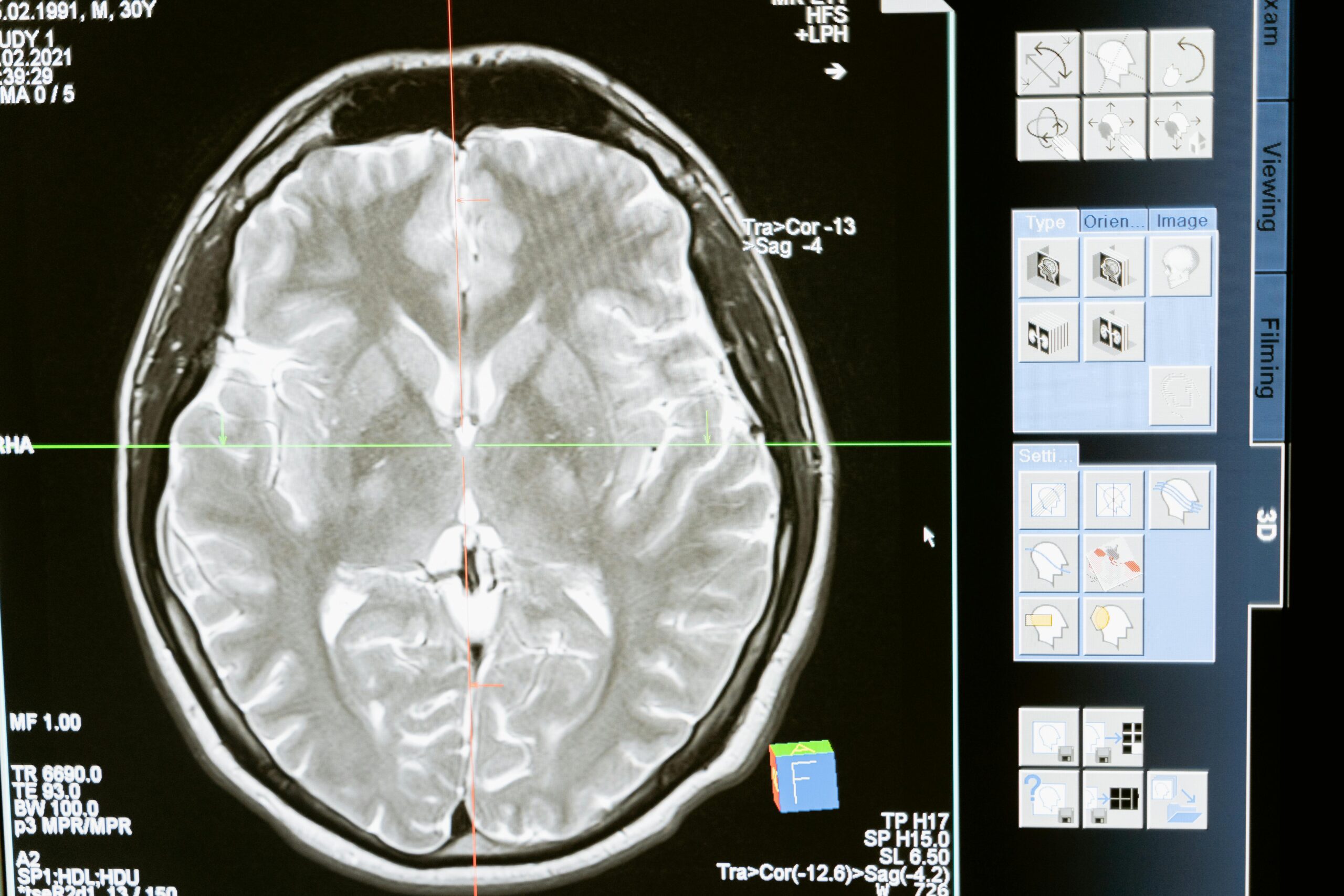
As neuroscience technology advances, our understanding of emotional processing continues to deepen. Functional MRI, EEG, and emerging techniques like optogenetics allow researchers to observe and even manipulate specific neural circuits involved in emotion with unprecedented precision.
This expanding knowledge promises more targeted treatments for emotional disorders. Transcranial magnetic stimulation (TMS) already uses magnetic fields to modulate activity in specific brain regions, showing promise for treatment-resistant depression. Future interventions may offer increasingly personalized approaches based on individual neural signatures of emotional processing.
Artificial intelligence and machine learning are now being applied to decode emotional brain states from neural activity patterns. While controversial and ethically complex, such technology could eventually enable more objective assessment of emotional disorders and treatment responses.
🎯 Applying Neuroscience to Everyday Emotional Life
The neuroscience of emotion isn’t confined to laboratories and clinical settings. Understanding how your brain processes emotions can transform how you navigate daily life, offering practical strategies grounded in biological reality rather than folk psychology.
When you feel overwhelmed by emotion, recognizing that your amygdala has hijacked your prefrontal cortex can help you implement grounding techniques. Taking slow, deep breaths activates the vagus nerve, physiologically shifting your nervous system from fight-or-flight to rest-and-digest mode. This isn’t just relaxation advice—it’s applied neuroscience.
Labeling emotions—simply naming what you’re feeling—has been shown to reduce amygdala activation while increasing prefrontal activity. This neurobiological phenomenon, sometimes called “name it to tame it,” explains why journaling, talking with friends, or working with a therapist can provide emotional relief.
Understanding that emotions involve both automatic subcortical responses and conscious cortical interpretation empowers us to recognize that feelings, while real and important, aren’t always accurate reflections of objective reality. Your anxious brain might perceive threat where none exists, or your depressed brain might filter information through a negativity bias. Recognizing these neural processes allows for greater psychological flexibility.
🌈 The Beautiful Complexity of Feeling
The neuroscience of emotional processing reveals that our feelings emerge from an exquisitely complex interplay of neural circuits, neurochemicals, bodily states, memories, and social contexts. Far from diminishing the richness of emotional experience, this scientific understanding deepens our appreciation for the remarkable biological machinery that makes feeling possible.
Every emotion you experience—from profound grief to unexpected joy—reflects millions of neurons coordinating their activity, neurotransmitters binding to receptors, and brain regions communicating across vast neural networks. This biological perspective doesn’t reduce emotions to mere chemistry; rather, it illuminates the sophisticated processes underlying our most fundamentally human experiences.
As neuroscience continues advancing, we’re learning not only what happens in the emotional brain, but how we can work with these systems to cultivate greater well-being, resilience, and emotional intelligence. By understanding the neural basis of our feelings, we gain both scientific insight and practical wisdom for living richer, more emotionally balanced lives.
The journey into emotional neuroscience ultimately leads us back to ourselves—to a deeper appreciation of our inner lives and a more compassionate understanding of the shared biological heritage that makes us all fundamentally human. In unlocking the mind’s emotional processing systems, we unlock possibilities for healing, growth, and connection that extend far beyond the laboratory into every corner of human experience.