
Meditation isn’t just about finding peace—it’s a powerful tool that rewires your brain, boosts cognitive performance, and unlocks mental capabilities you never knew existed.

🧠 The Science Behind Meditation and Brain Transformation
Your brain possesses an extraordinary ability called neuroplasticity—the capacity to reorganize itself by forming new neural connections throughout life. Meditation acts as a catalyst for this transformation, creating measurable changes in brain structure and function that enhance cognitive efficiency, emotional regulation, and overall mental performance.
Recent neuroscience research has revealed that regular meditation practitioners show increased gray matter density in regions associated with learning, memory, emotional regulation, and perspective-taking. These aren’t just temporary effects—they represent fundamental changes in how your brain processes information and responds to the world around you.
Studies using functional MRI scans have demonstrated that meditation strengthens connections between different brain regions, particularly those involved in attention, sensory processing, and executive function. This enhanced connectivity translates into improved focus, faster information processing, and better decision-making capabilities in daily life.
Understanding Neural Efficiency: What It Really Means
Neural efficiency refers to how effectively your brain uses its resources to complete cognitive tasks. A more efficient brain requires less energy to perform the same functions, leaving more capacity available for complex thinking, creativity, and problem-solving. Think of it like upgrading your computer’s processor—the same tasks run faster and smoother with less strain on the system.
When neural pathways become more efficient through meditation, signals travel faster between neurons, synaptic connections strengthen, and unnecessary neural noise decreases. This optimization allows you to maintain focus longer, process information more quickly, and switch between tasks with greater ease.
The default mode network—the brain system active when you’re not focused on the outside world—becomes better regulated through meditation. This network is responsible for mind-wandering and self-referential thoughts, which can drain mental energy when overactive. Meditation helps quiet this network, reducing mental clutter and freeing up cognitive resources.
Measurable Brain Changes That Occur Through Meditation
The hippocampus, crucial for learning and memory, shows increased volume in regular meditators. This enlargement correlates with improved ability to retain information, recall details, and form new memories—essential skills for both personal and professional success.
The prefrontal cortex, your brain’s executive control center, becomes thicker and more active with consistent meditation practice. This region governs planning, decision-making, impulse control, and emotional regulation. A strengthened prefrontal cortex means better self-control, clearer thinking, and more rational responses to challenging situations.
Remarkably, the amygdala—your brain’s alarm system responsible for fear and stress responses—actually shrinks with regular meditation. This reduction doesn’t mean you become emotionally numb; rather, you develop a more balanced response to stressors, maintaining composure during pressure and recovering faster from setbacks.
The anterior cingulate cortex, involved in self-regulation and learning from experience, shows enhanced activity in meditators. This improvement helps you recognize patterns, adapt behaviors, and make better choices based on past experiences.
🎯 Different Meditation Techniques for Maximum Brain Benefits
Not all meditation practices affect the brain identically. Understanding different techniques allows you to target specific cognitive improvements aligned with your personal goals and needs.
Mindfulness Meditation for Enhanced Attention
Mindfulness meditation involves focusing on present-moment awareness without judgment. This practice strengthens attention networks in the brain, improving your ability to concentrate on tasks, resist distractions, and maintain focus during demanding activities. Research shows that just eight weeks of mindfulness practice can produce measurable improvements in attention span and concentration.
This technique particularly benefits the dorsolateral prefrontal cortex, which controls working memory and cognitive flexibility. Regular practitioners report enhanced ability to switch between tasks, hold multiple pieces of information simultaneously, and think more clearly under pressure.
Focused Attention Meditation for Cognitive Control
This practice involves concentrating on a single object, such as breath, a mantra, or a visual point. It trains your brain’s ability to sustain attention and return focus when distracted—skills directly transferable to work, study, and complex problem-solving situations.
Focused attention meditation strengthens the frontoparietal network, responsible for directing attention and maintaining concentration. This enhancement translates into improved productivity, fewer errors in detail-oriented tasks, and better performance on cognitive assessments.
Loving-Kindness Meditation for Emotional Intelligence
This compassion-focused practice activates brain regions associated with empathy, social connection, and positive emotion. It enhances the insula and temporal parietal junction, improving your ability to understand others’ perspectives and navigate social situations effectively.
Beyond emotional benefits, loving-kindness meditation reduces activity in brain regions associated with negative rumination and self-criticism, creating mental space for more constructive thinking patterns and creative problem-solving.
Transcendental Meditation for Stress Reduction
This technique uses specific mantras to achieve deep relaxation and decreased physiological arousal. Brain imaging reveals that transcendental meditation produces widespread coherence in brain activity, synchronizing different regions and promoting whole-brain integration.
The stress-reducing effects create downstream benefits for neural efficiency, as chronic stress impairs cognitive function, memory formation, and decision-making capabilities. By managing stress through meditation, you protect your brain’s processing capacity.
The Optimal Meditation Schedule for Brain Enhancement
While any meditation is beneficial, research identifies certain patterns that maximize neurological improvements. Consistency matters more than duration—fifteen minutes daily produces better results than occasional hour-long sessions.
Most neuroscience studies showing significant brain changes involved participants meditating 20-30 minutes daily for eight weeks. This timeframe appears to represent a threshold for measurable structural changes in brain tissue and lasting improvements in cognitive function.
Morning meditation offers unique advantages, as your brain’s prefrontal cortex operates at peak efficiency after rest. Starting your day with meditation establishes a baseline of calm focus that influences neural processing throughout subsequent hours.
However, evening meditation provides different benefits, helping consolidate learning from the day and processing emotional experiences. The optimal approach may involve shorter sessions twice daily—morning and evening—creating bookends that protect and enhance your cognitive performance.
⚡ Immediate and Long-Term Cognitive Benefits
Meditation produces both immediate effects you’ll notice after single sessions and cumulative benefits that compound over time with consistent practice.
Short-Term Effects You’ll Experience Quickly
Even a single meditation session improves attention and reduces mind-wandering for hours afterward. Studies show enhanced performance on cognitive tasks completed within 30 minutes of meditation, including improved reaction time, accuracy, and problem-solving abilities.
Immediate stress reduction occurs through decreased cortisol levels and reduced activity in the sympathetic nervous system. This physiological shift creates optimal conditions for cognitive performance, as stress hormones impair memory, narrow attention, and reduce creative thinking.
Working memory capacity—your brain’s ability to hold and manipulate information temporarily—improves immediately following meditation. This enhancement helps with tasks requiring mental calculation, complex reasoning, and multi-step problem-solving.
Long-Term Transformations Through Consistent Practice
After several months of regular practice, structural brain changes become apparent, including increased cortical thickness in attention-related regions and enhanced connectivity between distant brain areas. These physical transformations represent lasting upgrades to your cognitive infrastructure.
Emotional regulation improves dramatically with sustained practice. The strengthened connection between prefrontal cortex and amygdala means rational thinking centers gain greater control over emotional responses, leading to better decisions, reduced reactivity, and improved relationships.
Age-related cognitive decline slows measurably in long-term meditators. Research comparing brain scans of meditators and non-meditators across different age groups reveals that meditation practitioners show less age-related gray matter loss, maintaining cognitive abilities longer into later life.
Overcoming Common Obstacles to Meditation Practice
Despite proven benefits, many people struggle to establish consistent meditation habits. Understanding and addressing common barriers increases your likelihood of success.
The “I don’t have time” obstacle often reflects prioritization rather than actual time scarcity. Reframing meditation as an investment that improves efficiency helps—the enhanced focus and reduced stress from 15 minutes of meditation often saves hours of productivity throughout the day.
Expecting immediate dramatic results sets unrealistic standards that lead to discouragement. Brain changes occur gradually; patience and consistency matter more than perfect execution. Each session contributes to neurological improvements even when you don’t consciously perceive changes.
Physical discomfort during sitting meditation discourages many beginners. Remember that meditation is about mental training, not physical endurance. Use supportive cushions, chairs, or even lying positions if necessary—comfort enables focus, which drives neural benefits.
Mind-wandering during meditation often frustrates newcomers, but this represents normal brain function, not failure. The practice of noticing distraction and returning focus actually strengthens attention networks more than maintaining perfect concentration would.
🔬 Tracking Your Progress and Brain Improvements
While you can’t directly observe your brain changing, several indicators reveal improving neural efficiency through meditation practice.
Subjective measures include enhanced ability to concentrate during work or study, reduced reactivity to stressors, improved emotional stability, and better sleep quality. Keeping a simple journal tracking these factors reveals patterns of improvement that motivate continued practice.
Cognitive performance metrics offer objective feedback. Try timing how long you can maintain focus on challenging tasks, tracking completion speed on detail-oriented work, or monitoring error rates in activities requiring precision. Improvements in these areas reflect enhanced neural efficiency.
Physical indicators of reduced stress—lower resting heart rate, decreased muscle tension, and improved digestion—suggest your brain’s stress response systems are becoming better regulated through meditation.
Relationship quality often improves as meditation enhances emotional regulation and empathy. Noticing fewer conflicts, better communication, and increased patience with others indicates positive brain changes in social cognition networks.
Integrating Meditation With Other Brain-Boosting Practices
Meditation synergizes powerfully with complementary activities that support brain health, creating multiplicative rather than merely additive benefits.
Physical exercise enhances meditation’s neurological effects by increasing blood flow to the brain, promoting neurogenesis, and releasing growth factors that support neural health. Combining regular aerobic activity with meditation produces greater cognitive improvements than either practice alone.
Quality sleep provides the foundation for neural efficiency. Meditation improves sleep quality, while adequate sleep enhances meditation’s effectiveness—creating a positive cycle. Both practices reduce stress hormones that impair brain function and support memory consolidation processes.
Nutrition influences brain structure and function significantly. Omega-3 fatty acids, antioxidants, and proper hydration support the neuroplasticity that meditation stimulates. Viewing meditation as one component of comprehensive brain care maximizes its benefits.
Cognitive challenges—learning new skills, studying foreign languages, playing musical instruments—complement meditation by building specific neural pathways while meditation enhances overall brain efficiency and integration. This combination produces more robust cognitive improvements than either approach independently.
Creating Your Personalized Brain Enhancement Meditation Plan
Generic advice rarely produces optimal results. Designing a meditation practice aligned with your specific needs, schedule, and goals increases both adherence and effectiveness.
Start by identifying your primary cognitive goals. Do you need better focus for work? Enhanced emotional regulation? Improved memory? Stress management? Different meditation techniques target different brain regions and functions—matching practice to purpose optimizes results.
Assess your realistic time availability honestly. A consistent 10-minute daily practice outperforms an ambitious 45-minute plan you abandon after two weeks. Begin conservatively, establishing the habit before gradually extending duration.
Experiment with timing to discover when meditation fits most naturally into your routine. Morning practice before daily demands arise works well for many people, while others prefer midday sessions as stress breaks or evening meditation to decompress.
Choose an environment conducive to practice—quiet, comfortable, and associated with relaxation rather than work stress. Designating a specific meditation space creates mental associations that help your brain transition into focused awareness more quickly.
Consider using guided meditation resources initially to learn proper techniques and maintain structure. Apps, online videos, or local classes provide instruction and community support that increase success rates for beginners.
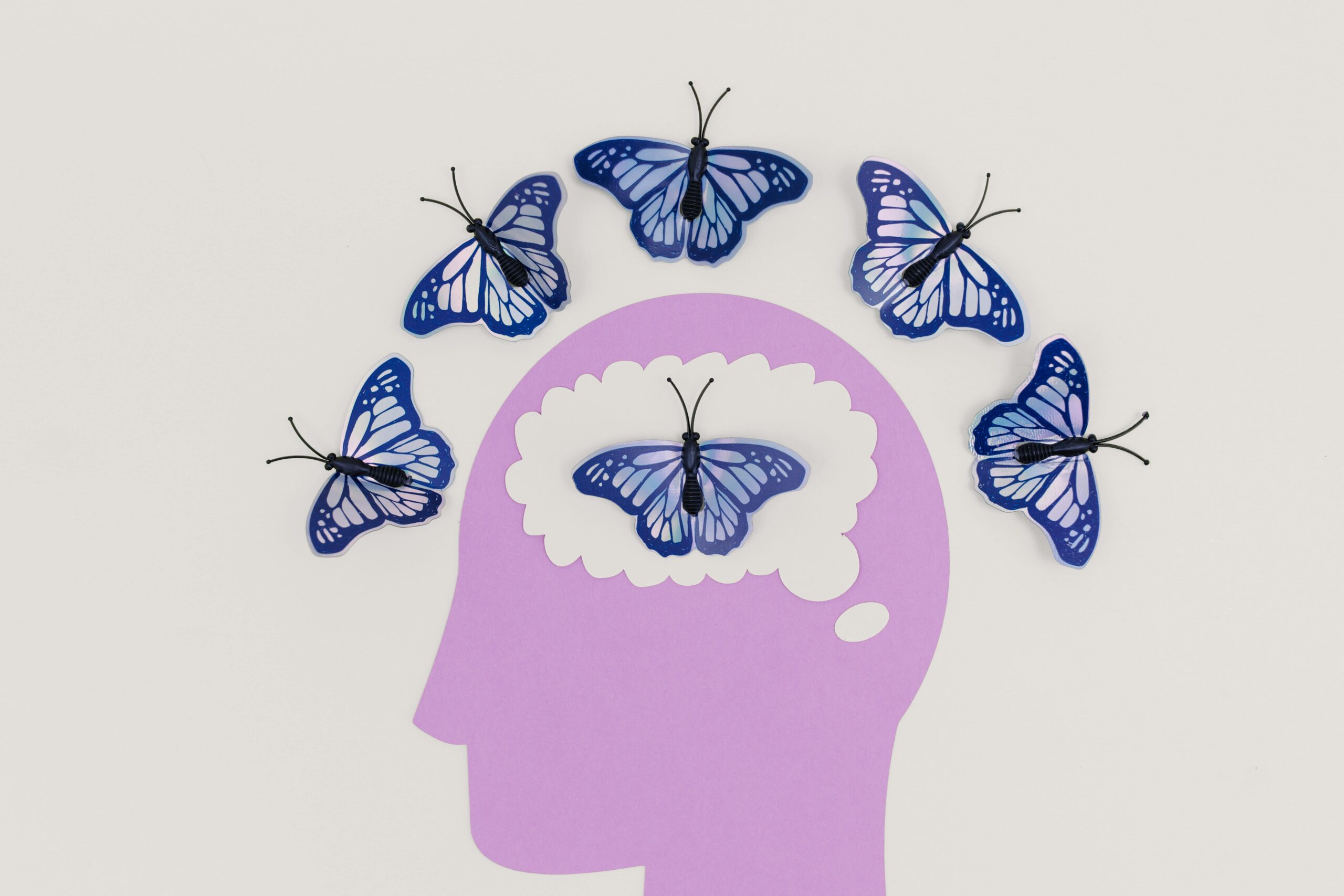
🌟 The Future Your Brain Deserves
Your brain represents the most complex structure in the known universe, containing approximately 86 billion neurons forming trillions of connections. This extraordinary organ adapts continuously based on your experiences and practices—meditation offers a scientifically validated method to guide this adaptation toward enhanced efficiency, resilience, and capability.
The neural changes meditation produces aren’t mystical or theoretical—they’re measurable, reproducible, and increasingly well-understood through modern neuroscience. From structural changes visible on brain scans to functional improvements apparent in cognitive testing, the evidence supporting meditation’s brain-enhancing effects continues accumulating.
Beginning a meditation practice represents an investment in your most valuable asset. The time you dedicate to sitting quietly, training attention, and cultivating awareness generates returns through improved focus, better decision-making, enhanced creativity, and greater emotional balance—benefits that compound throughout your lifetime.
Your brain’s potential extends far beyond its current performance. Neural efficiency isn’t fixed at birth or determined solely by genetics—it responds dynamically to training and practice. Meditation provides the key to unlocking capabilities that remain dormant without intentional cultivation.
Start today with just five minutes. Sit comfortably, focus on your breath, and begin the journey toward enhanced neural efficiency. Your brain will thank you—with better focus, clearer thinking, and improved mental performance that enriches every aspect of your life.