
Music has shaped human culture for millennia, but modern science is now revealing how sound frequencies can actually rewire our neural pathways and optimize brain function.

🎵 The Science Behind Sound and Your Brain Waves
Our brains operate on electrical signals that create measurable wave patterns. These brainwaves fluctuate between different frequencies depending on our mental state—from deep sleep to high alertness. What researchers have discovered is that external sound frequencies can influence and synchronize these internal rhythms through a process called brainwave entrainment.
When you listen to specific sound frequencies, your brain begins to match or “entrain” to those patterns. This neurological phenomenon occurs because neurons fire in rhythmic patterns, and external auditory stimuli can guide these firing rates. Think of it as tuning a guitar—when you play a frequency near a string, that string begins to vibrate sympathetically. Your brain responds similarly to sound waves.
The different brainwave states each serve distinct purposes. Delta waves (0.5-4 Hz) dominate during deep sleep and healing. Theta waves (4-8 Hz) emerge during meditation and creativity. Alpha waves (8-13 Hz) characterize relaxed awareness. Beta waves (13-30 Hz) indicate active thinking and concentration. Gamma waves (30-100 Hz) associate with peak cognitive performance and insight.
How Neural Tuning Actually Works
Neural tuning through sound therapy leverages our brain’s inherent plasticity—its ability to reorganize and form new neural connections throughout life. When you consistently expose your brain to specific frequencies, you’re essentially training it to access certain states more readily. This is similar to how regular meditation strengthens attention circuits or how learning an instrument enhances auditory processing regions.
The auditory cortex processes incoming sounds, but these signals don’t stay localized. They cascade through the limbic system (emotional center), the prefrontal cortex (decision-making hub), and the brainstem (autonomic functions). This widespread neural activation explains why a single song can simultaneously affect your mood, memories, heart rate, and stress hormones.
🧠 Therapeutic Benefits That Transform Mental Wellness
The applications of music and sound therapy extend far beyond simple relaxation. Clinical research demonstrates measurable improvements across numerous psychological and neurological conditions. These benefits stem from sound’s ability to modulate neurotransmitter release, regulate stress hormones, and strengthen neural connectivity.
Anxiety and Stress Reduction
Sound therapy significantly lowers cortisol levels while increasing production of serotonin and dopamine. Studies show that listening to music at 60 beats per minute can induce a relaxed state comparable to meditation. Binaural beats—where slightly different frequencies play in each ear—create a third “phantom” frequency that guides the brain toward desired states like calm alertness or deep relaxation.
Patients with generalized anxiety disorder who participated in regular sound therapy sessions reported 65% reduction in anxiety symptoms over eight weeks. The non-invasive nature makes it an accessible complement to traditional treatments without pharmaceutical side effects.
Enhanced Sleep Quality
Insomnia affects millions worldwide, but sound therapy offers a natural solution. Delta wave frequencies promote the deep sleep necessary for physical restoration and memory consolidation. Pink noise—which contains all frequencies but emphasizes lower pitches—has been shown to increase slow-wave sleep by 75% and improve next-day memory performance by 25%.
Unlike sleeping medications that can disrupt natural sleep architecture, sound therapy works with your body’s innate rhythms. Many people find that establishing a nightly sound routine signals their nervous system that sleep time approaches, creating a powerful conditioned response.
Cognitive Enhancement and Focus
Beta and gamma frequencies can sharpen mental clarity and concentration. Background music with 40 Hz modulation has been linked to improved memory consolidation and may even help clear amyloid plaques associated with Alzheimer’s disease. Students using binaural beats during study sessions demonstrated 20% improvement in information retention compared to control groups.
The “Mozart Effect”—though sometimes overstated—does have scientific backing. Complex classical music temporarily enhances spatial-temporal reasoning, likely because processing intricate musical patterns exercises similar neural networks used in mathematical and visual-spatial tasks.
🎼 Different Modalities of Sound Therapy
Sound therapy encompasses various approaches, each with unique mechanisms and applications. Understanding these different modalities helps you select the most effective method for your specific needs.
Binaural Beats and Isochronic Tones
Binaural beats present two slightly different frequencies to each ear through headphones. Your brain perceives the mathematical difference as a third tone. For example, 200 Hz in the left ear and 210 Hz in the right creates a 10 Hz binaural beat—an alpha frequency associated with relaxation.
Isochronic tones are single tones that pulse on and off at specific intervals. Unlike binaural beats, they don’t require headphones and may actually produce stronger entrainment effects. Both methods directly target desired brainwave states, making them popular for meditation, focus, or sleep applications.
Solfeggio Frequencies
These ancient musical scales—including frequencies like 528 Hz and 639 Hz—are believed to carry specific healing properties. While research on traditional Solfeggio claims remains limited, studies do confirm that certain frequencies affect cellular function and gene expression. The 528 Hz frequency, called the “love frequency,” has been shown to reduce stress markers in laboratory settings.
Crystal and Tibetan Singing Bowls
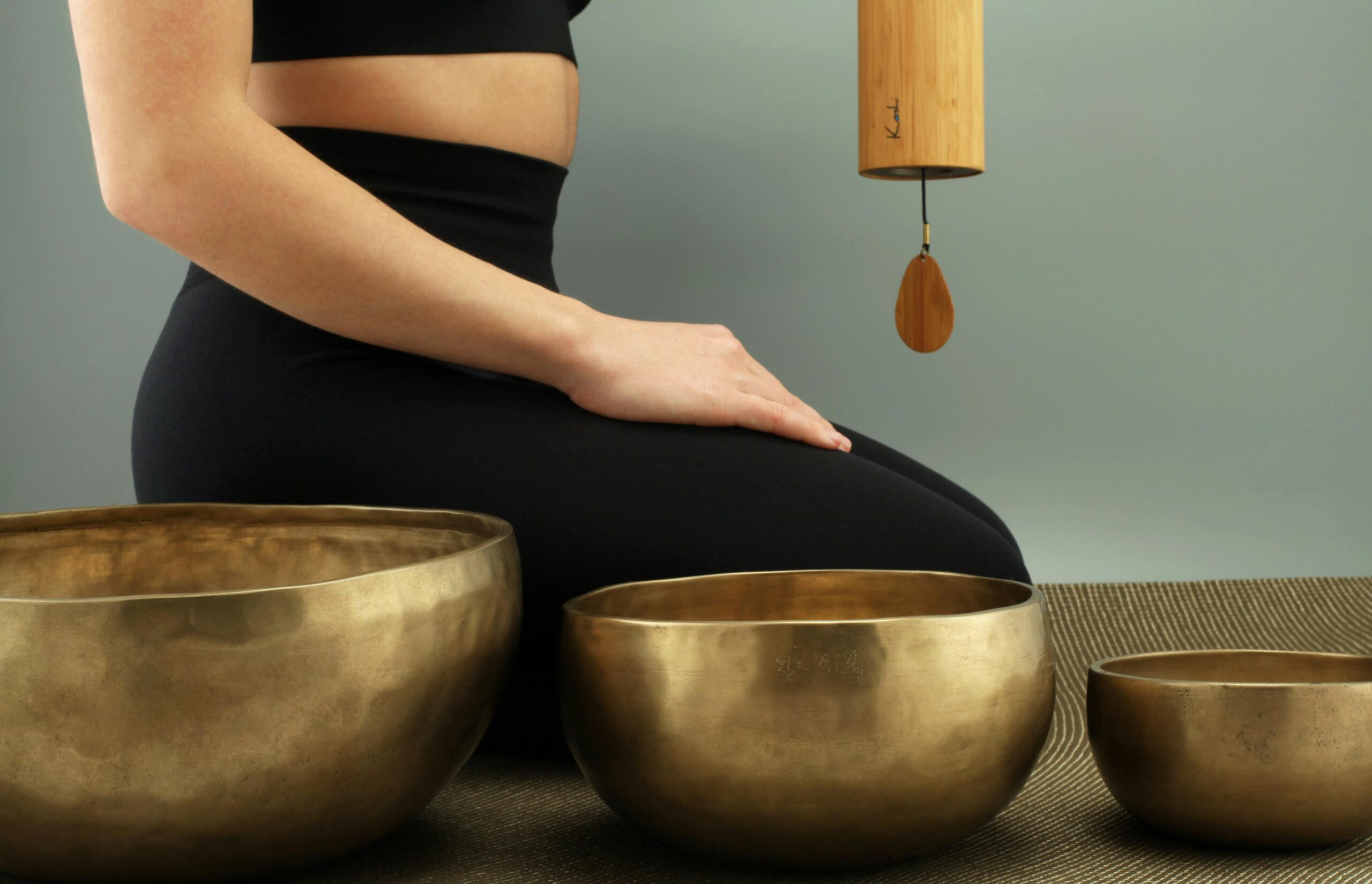
These instruments produce rich harmonic overtones that create immersive sound baths. The complex frequency layers engage multiple brain regions simultaneously. Participants in singing bowl meditation sessions show decreased tension, anger, and fatigue while experiencing improved spiritual well-being. The physical vibrations also provide tactile stimulation that enhances the therapeutic effect.
Nature Sounds and White Noise
Evolutionary biology explains why ocean waves, rainfall, and forest sounds calm us—our ancestors thrived when these sounds indicated safety and resources. Modern research confirms nature soundscapes reduce sympathetic nervous system activity and improve mood. White noise masks disruptive sounds and creates consistent auditory environments that help many people focus or sleep.
🎧 Practical Applications for Daily Life
Integrating sound therapy into your routine doesn’t require specialized equipment or extensive training. Small, consistent practices accumulate significant benefits over time. The key is matching sound modalities to your specific goals and circumstances.
Morning Activation Routines
Start your day by stimulating alertness with beta frequency binaural beats (13-30 Hz) or uplifting music with 120-140 beats per minute. This auditory stimulus helps transition your brain from sleep states to active wakefulness more naturally than jarring alarms. Pair your morning sound therapy with movement or light exposure for synergistic effects on circadian rhythm regulation.
Productivity Enhancement During Work
Background music selection dramatically impacts work performance, but the optimal choice depends on task complexity. For routine tasks, music with lyrics and moderate tempo can boost mood and motivation. For complex cognitive work requiring sustained attention, instrumental music or alpha-frequency tones (8-13 Hz) reduce distractions without competing for linguistic processing resources.
Consider the 40-40-20 rule: forty minutes of focused work with appropriate sound support, followed by a ten-minute break, then twenty minutes of lighter tasks. This rhythm aligns with natural ultradian cycles governing alertness and cognitive capacity.
Evening Wind-Down Protocols
Create a pre-sleep sound ritual beginning 60-90 minutes before bed. Gradually transition from alpha frequencies to theta (4-8 Hz) and finally delta waves (0.5-4 Hz). This progressive downshift guides your nervous system through natural sleep onset stages. Combine with reduced lighting and cooler room temperatures for optimal results.
Avoid stimulating music with unpredictable rhythms or emotional associations that might activate stress responses or trigger ruminative thinking. Consistency matters—using the same sounds nightly strengthens the sleep-inducing conditioned response.
📱 Technology and Accessible Sound Therapy Tools
The democratization of sound therapy through technology has made evidence-based practices available to anyone with a smartphone. Numerous applications offer scientifically-designed soundscapes, binaural beats, and guided sessions tailored to specific outcomes.
When selecting apps, prioritize those with transparent frequency specifications and, ideally, citations to peer-reviewed research. Quality matters—poorly designed audio files may lack the precise frequency targeting necessary for effective entrainment. Look for options allowing customization of session length, frequency selection, and background sounds to match personal preferences.
Hardware options have also evolved. Affordable brainwave entrainment devices now provide light-and-sound combinations that enhance entrainment effects beyond audio alone. However, simple stereo headphones remain sufficient for most applications, particularly binaural beat therapy which requires stereo separation.
⚡ Optimizing Your Neural Tuning Practice
Maximizing sound therapy benefits requires understanding optimal usage parameters. Like physical exercise, consistency matters more than intensity. Regular, moderate exposure produces better long-term results than sporadic intensive sessions.
Frequency and Duration Guidelines
Most research protocols use 15-30 minute sessions for acute effects like improved focus or relaxation. Neuroplastic changes that represent true neural tuning require weeks of regular practice—typically 4-8 weeks of daily or near-daily exposure before structural brain changes become detectable on imaging studies.
Begin conservatively with 10-15 minute sessions to assess individual response. Some people experience headaches or agitation when first using binaural beats, usually indicating overstimulation. Reduce volume and duration if discomfort occurs, then gradually increase as tolerance develops.
Creating Optimal Listening Environments
Sound therapy effectiveness increases in distraction-free environments. Find a quiet space where interruptions are unlikely. Comfortable positioning matters—whether seated, reclined, or lying down depends on your goal. Active meditation may benefit from upright posture, while sleep preparation works better reclined.
Volume should be just loud enough to clearly hear the sounds without strain. Excessive volume doesn’t enhance effects and may damage hearing over time. The ideal level allows external awareness to fade naturally as you focus on the soundscape.
Combining Sound Therapy With Other Practices
Synergistic effects emerge when sound therapy accompanies other wellness practices. Pairing binaural beats with meditation deepens the meditative state and helps beginners access focus more easily. Yoga practitioners find appropriate sound frequencies enhance mind-body connection and breath awareness.
Cognitive behavioral therapy for insomnia becomes more effective when patients use delta-wave sound therapy as part of their sleep hygiene protocol. The key is thoughtful integration rather than haphazard combination—each element should support rather than compete with others.
🔬 What Current Research Reveals
Scientific investigation into sound therapy mechanisms continues expanding. Neuroimaging studies using fMRI and EEG demonstrate real-time brain activity changes during sound exposure. These findings validate subjective reports while revealing unexpected neural pathways involved in sound processing and therapeutic effects.
A 2023 meta-analysis examining 36 studies found moderate-to-strong evidence supporting binaural beats for anxiety reduction, with effects comparable to mindfulness meditation. Another recent study showed 40 Hz auditory stimulation increased gamma oscillations in Alzheimer’s patients, correlating with improved cognitive performance and reduced disease markers.
Research on music-induced neuroplasticity reveals that even passive listening strengthens neural networks. Musicians show enhanced cognitive abilities extending beyond musical domains—improved executive function, working memory, and auditory processing that persists into older age with protective effects against cognitive decline.
Ongoing investigations explore sound therapy applications for PTSD, chronic pain, depression, and neurodevelopmental disorders. Preliminary results suggest significant promise, though larger controlled trials are needed to establish standardized protocols and identify which patients benefit most from specific interventions.
🌟 Personalizing Your Sound Therapy Journey
Individual responses to sound therapy vary based on neurological differences, personal history, and current mental state. What profoundly relaxes one person might irritate another. This variability necessitates personalized experimentation to discover your optimal frequencies, timbres, and practices.
Keep a simple log tracking which sounds you use, duration, timing, and subjective effects on mood, sleep quality, or focus. Patterns typically emerge within 2-3 weeks, revealing which approaches work best for your unique neurology. Notice whether you prefer pure tones, nature sounds, or instrumental music, and whether morning or evening sessions feel more beneficial.
Some individuals are particularly sound-sensitive and may find intense frequencies overwhelming. Others require stronger stimulation to notice effects. Neither response is better—they simply reflect different nervous system characteristics requiring adjusted approaches.
💫 Transforming Your Mental Landscape Through Sound
Sound therapy represents a bridge between ancient healing wisdom and cutting-edge neuroscience. While our ancestors understood sound’s power intuitively, we now possess scientific frameworks explaining these effects and tools to harness them precisely. This convergence offers unprecedented opportunities for self-directed neural optimization.
The accessibility of sound therapy democratizes mental wellness tools previously available only through specialized practitioners. Whether you seek stress relief, improved sleep, enhanced focus, or general cognitive optimization, evidence-based sound practices offer non-invasive pathways to meaningful change.
Begin your neural tuning journey with curiosity and patience. Your brain’s plasticity means today’s intervention plants seeds for tomorrow’s growth. Consistent practice gradually reshapes neural architecture, making desired mental states increasingly accessible. The symphony of your mind awaits harmonization—let sound be your guide toward greater balance, clarity, and well-being.
Remember that sound therapy complements rather than replaces professional mental health care when needed. For significant psychological distress, combine these practices with appropriate medical or therapeutic support. The goal is holistic wellness where multiple approaches synergize, each contributing unique benefits to your overall mental health ecosystem.