
Your brain thrives on movement. Physical activity isn’t just about building muscle or losing weight—it’s a powerful catalyst for enhancing cognitive function, memory, and overall neural health.

🧠 The Brain-Body Connection: Understanding Neural Vitality
The relationship between physical activity and brain health represents one of the most remarkable discoveries in neuroscience. When you move your body, you’re not just exercising your muscles—you’re simultaneously activating complex neural pathways that strengthen cognitive abilities and protect against mental decline.
Neural vitality refers to your brain’s capacity to form new connections, adapt to challenges, and maintain optimal function throughout life. This concept encompasses neuroplasticity, neurotransmitter balance, and the brain’s ability to repair and regenerate itself. Physical activity serves as a fundamental driver of all these processes, creating an environment where your brain can flourish.
Research consistently demonstrates that individuals who maintain regular exercise routines exhibit superior cognitive performance compared to sedentary counterparts. These benefits manifest across multiple domains, including attention span, processing speed, executive function, and memory consolidation.
💪 How Exercise Transforms Your Brain Chemistry
Physical activity triggers a cascade of biochemical changes that directly enhance brain function. Understanding these mechanisms helps illuminate why movement is so crucial for cognitive health.
Neurotrophic Factors and Brain Growth
When you exercise, your body releases brain-derived neurotrophic factor (BDNF), often called “fertilizer for the brain.” This protein stimulates the growth of new neurons and strengthens existing neural connections. Higher BDNF levels correlate with improved learning ability, enhanced memory formation, and better mood regulation.
Regular physical activity can increase BDNF production by up to 300%, creating an optimal environment for neurogenesis—the formation of new brain cells. This process occurs primarily in the hippocampus, the brain region responsible for learning and memory.
Oxygen and Blood Flow Enhancement
Exercise increases cardiovascular efficiency, delivering more oxygen-rich blood to your brain. This improved circulation nourishes neurons, removes metabolic waste products, and supports the delivery of essential nutrients. Enhanced blood flow has immediate effects on mental clarity and sustained benefits for long-term cognitive preservation.
Neurotransmitter Optimization
Physical activity naturally balances neurotransmitter levels, including dopamine, serotonin, and norepinephrine. These chemical messengers regulate mood, motivation, focus, and cognitive processing. Exercise-induced neurotransmitter changes explain why you often feel mentally sharper and emotionally balanced after a workout session.
🏃♀️ The Most Brain-Boosting Types of Physical Activity
Not all exercise impacts cognitive function equally. Different activities offer unique benefits for brain health, and combining various movement types creates the most comprehensive cognitive enhancement.
Aerobic Exercise: The Cognitive Powerhouse
Cardiovascular activities like running, cycling, swimming, and brisk walking deliver exceptional brain benefits. Aerobic exercise increases heart rate, pumping more blood to the brain while triggering the release of growth factors that support neural health.
Studies show that just 30 minutes of moderate-intensity aerobic activity can improve cognitive function for up to two hours afterward. Long-term aerobic training enlarges the hippocampus, counteracting the age-related shrinkage that typically begins around age 55.
Resistance Training: Building Mental Strength
Weightlifting and bodyweight exercises contribute significantly to cognitive enhancement. Resistance training improves executive function, working memory, and attention span. These activities also increase insulin-like growth factor (IGF-1), which supports brain cell survival and function.
Research indicates that combining resistance training with aerobic exercise produces superior cognitive benefits compared to either activity alone. Aim for at least two sessions of strength training weekly to maximize brain-boosting effects.
Coordination-Based Activities: Neural Network Expansion
Activities requiring balance, timing, and complex movement patterns—such as dancing, martial arts, tennis, or rock climbing—challenge your brain in unique ways. These exercises demand rapid decision-making, spatial awareness, and motor planning, strengthening connections between different brain regions.
Learning new movement skills particularly stimulates neuroplasticity. When you master a new dance routine or martial arts technique, you’re literally rewiring your brain to accommodate novel patterns.
Mind-Body Practices: The Meditation-Movement Fusion
Yoga, tai chi, and qigong combine physical movement with focused attention and breath control. These practices reduce stress hormones while enhancing cognitive flexibility, emotional regulation, and mindfulness. The meditative component amplifies the cognitive benefits beyond those achieved through movement alone.
📊 Quantifying the Cognitive Benefits: What Research Reveals
Scientific evidence for exercise-induced cognitive enhancement is extensive and compelling. Multiple studies across diverse populations demonstrate remarkable improvements in brain function through physical activity.
| Study Type | Duration | Cognitive Improvement |
|---|---|---|
| Aerobic exercise intervention | 6 months | 12% increase in hippocampal volume |
| Combined exercise program | 12 weeks | 25% improvement in executive function |
| Walking program for seniors | 1 year | 40% reduction in dementia risk |
| High-intensity interval training | 8 weeks | 30% enhancement in memory performance |
A landmark study following over 120,000 participants for 30 years found that cardiovascular fitness in midlife strongly predicted cognitive function in later years. Those with the highest fitness levels experienced significantly slower cognitive decline and reduced dementia incidence.
⚡ Immediate Cognitive Effects: The Post-Exercise Brain Boost
You don’t need months of training to experience cognitive benefits. Physical activity produces immediate enhancements in mental function that begin during exercise and persist for hours afterward.
Acute exercise sessions improve attention, processing speed, and problem-solving abilities. Students who take brief exercise breaks during study sessions demonstrate better information retention and test performance. Workers who incorporate movement into their day report enhanced productivity and creative thinking.
The optimal exercise intensity for immediate cognitive enhancement appears to be moderate—roughly 60-70% of maximum heart rate. This level stimulates sufficient physiological changes without exhausting mental resources. Even a 10-minute walk can significantly sharpen focus and mental clarity.
🛡️ Protecting Your Brain: Exercise as Cognitive Insurance
Perhaps the most compelling reason to prioritize physical activity is its protective effect against cognitive decline and neurodegenerative diseases. Exercise serves as powerful preventive medicine for your brain.
Alzheimer’s Disease and Dementia Prevention
Regular physical activity reduces Alzheimer’s risk by approximately 45%. Exercise combats the disease through multiple mechanisms: reducing brain inflammation, preventing amyloid plaque accumulation, maintaining brain volume, and supporting vascular health.
For individuals already experiencing mild cognitive impairment, structured exercise programs can slow progression and sometimes reverse early symptoms. The neuroprotective effects of exercise rival or exceed those of many pharmaceutical interventions.
Depression and Anxiety Management
Physical activity functions as a remarkably effective treatment for mood disorders. Exercise reduces depression symptoms as effectively as antidepressant medication in many cases, without side effects. The mood-enhancing effects result from endorphin release, neurotransmitter optimization, and stress hormone reduction.
Anxiety symptoms also respond favorably to regular exercise. Physical activity provides a healthy outlet for nervous energy while teaching your body to more effectively regulate stress responses.
Stress Resilience and Cortisol Regulation
Chronic stress damages the hippocampus and impairs memory formation. Exercise counteracts these effects by normalizing cortisol levels and enhancing stress resilience. Regular exercisers demonstrate better emotional regulation and recover more quickly from stressful events.
🎯 Optimizing Your Exercise Routine for Maximum Cognitive Benefits
Strategic planning helps you extract maximum brain-boosting benefits from your physical activity. Consider these evidence-based recommendations:
- Frequency: Aim for at least 150 minutes of moderate-intensity aerobic activity weekly, spread across multiple sessions
- Intensity: Include both moderate steady-state exercise and occasional high-intensity intervals
- Variety: Combine aerobic exercise, resistance training, and coordination-based activities
- Timing: Exercise before cognitively demanding tasks to prime your brain for optimal performance
- Consistency: Regular, sustained activity produces greater benefits than sporadic intense workouts
- Progression: Gradually increase difficulty to continually challenge your brain-body system
- Enjoyment: Choose activities you genuinely enjoy to ensure long-term adherence
The Role of Exercise Intensity
Both moderate and vigorous exercise enhance cognitive function, but through slightly different mechanisms. Moderate-intensity sustained exercise (like jogging or cycling) maximizes BDNF production and hippocampal growth. High-intensity interval training produces acute cognitive improvements and may offer additional cardiovascular benefits that support brain health.
Alternating between intensities throughout your week provides comprehensive cognitive enhancement while preventing overtraining and maintaining motivation.
🌟 Practical Strategies for Incorporating Brain-Boosting Movement
Understanding the science matters little if you don’t apply it. These practical strategies help you integrate cognitive-enhancing physical activity into your daily routine:
For Busy Professionals
Schedule morning workouts to start your day with enhanced mental clarity. Take walking meetings when possible. Use lunch breaks for brief exercise sessions. Implement the Pomodoro technique with movement breaks between work intervals. Consider a standing or treadmill desk to reduce sedentary time.
For Students and Learners
Exercise before study sessions to prime your brain for information absorption. Take active breaks every 45-60 minutes during extended learning periods. Review material while walking to reinforce memory consolidation. Join sports teams or fitness classes to combine social connection with physical activity.
For Older Adults
Prioritize consistency over intensity. Walking programs provide excellent cognitive benefits with minimal injury risk. Include balance and coordination exercises to prevent falls while stimulating neural networks. Consider group classes for social engagement alongside physical activity. Consult healthcare providers when designing exercise programs to accommodate any health conditions.
Tracking Your Progress
Monitoring both physical and cognitive improvements maintains motivation and helps optimize your routine. Fitness tracking apps can help you maintain consistency and gradually progress your exercise intensity.
🔬 The Future of Exercise Neuroscience
Research continues revealing new insights into how physical activity enhances brain function. Emerging studies explore optimal exercise prescriptions for specific cognitive outcomes, the molecular mechanisms underlying exercise-induced neuroplasticity, and how genetic factors influence individual responses to exercise.
Scientists are investigating whether virtual reality exercise platforms can enhance cognitive benefits by adding engaging mental challenges to physical movement. Researchers are also examining how exercise timing relative to sleep cycles influences memory consolidation and whether certain exercise combinations produce synergistic cognitive effects.
These advancing discoveries will enable increasingly personalized exercise recommendations tailored to individual cognitive goals, genetic profiles, and lifestyle factors.
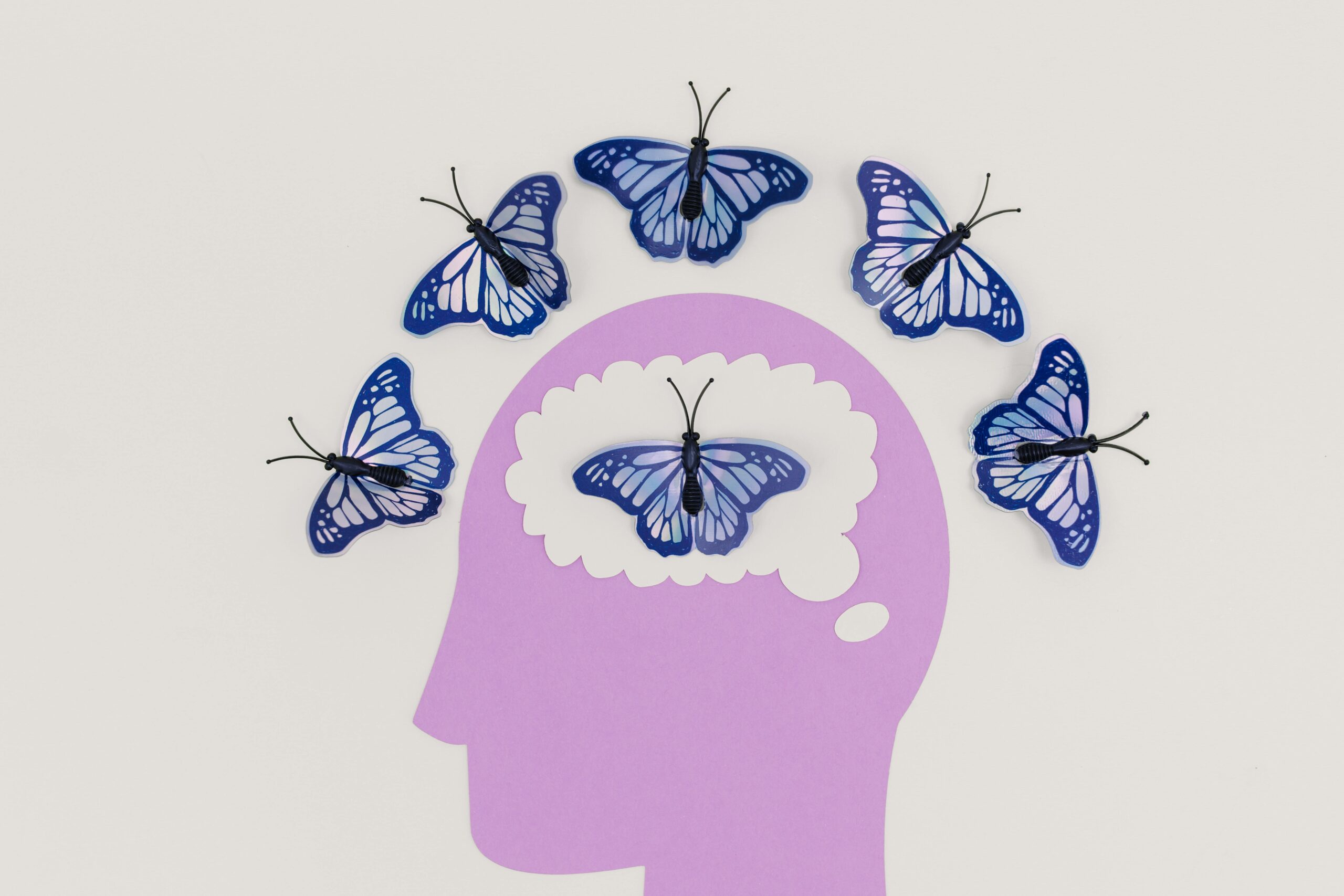
💡 Your Brain Deserves Movement
Physical activity represents the single most powerful lifestyle intervention for optimizing cognitive function and protecting brain health. The evidence is unequivocal: regular exercise enhances memory, sharpens focus, elevates mood, and guards against cognitive decline.
You don’t need expensive equipment, gym memberships, or hours of daily training. Simple, consistent movement—walking, dancing, playing sports, or any activity that elevates your heart rate—delivers profound cognitive benefits. The best exercise for your brain is the one you’ll actually do regularly.
Your cognitive future depends partly on the movement choices you make today. Every workout strengthens neural connections, every walk nourishes your hippocampus, and every active day builds cognitive reserve that will serve you for decades to come.
Start where you are, use what you have, and move your body. Your brain will thank you with enhanced clarity, improved memory, better mood, and sustained cognitive vitality throughout your lifetime. The connection between physical activity and mental performance isn’t just scientifically validated—it’s your opportunity to take control of your cognitive destiny through the simple, profound act of movement.